

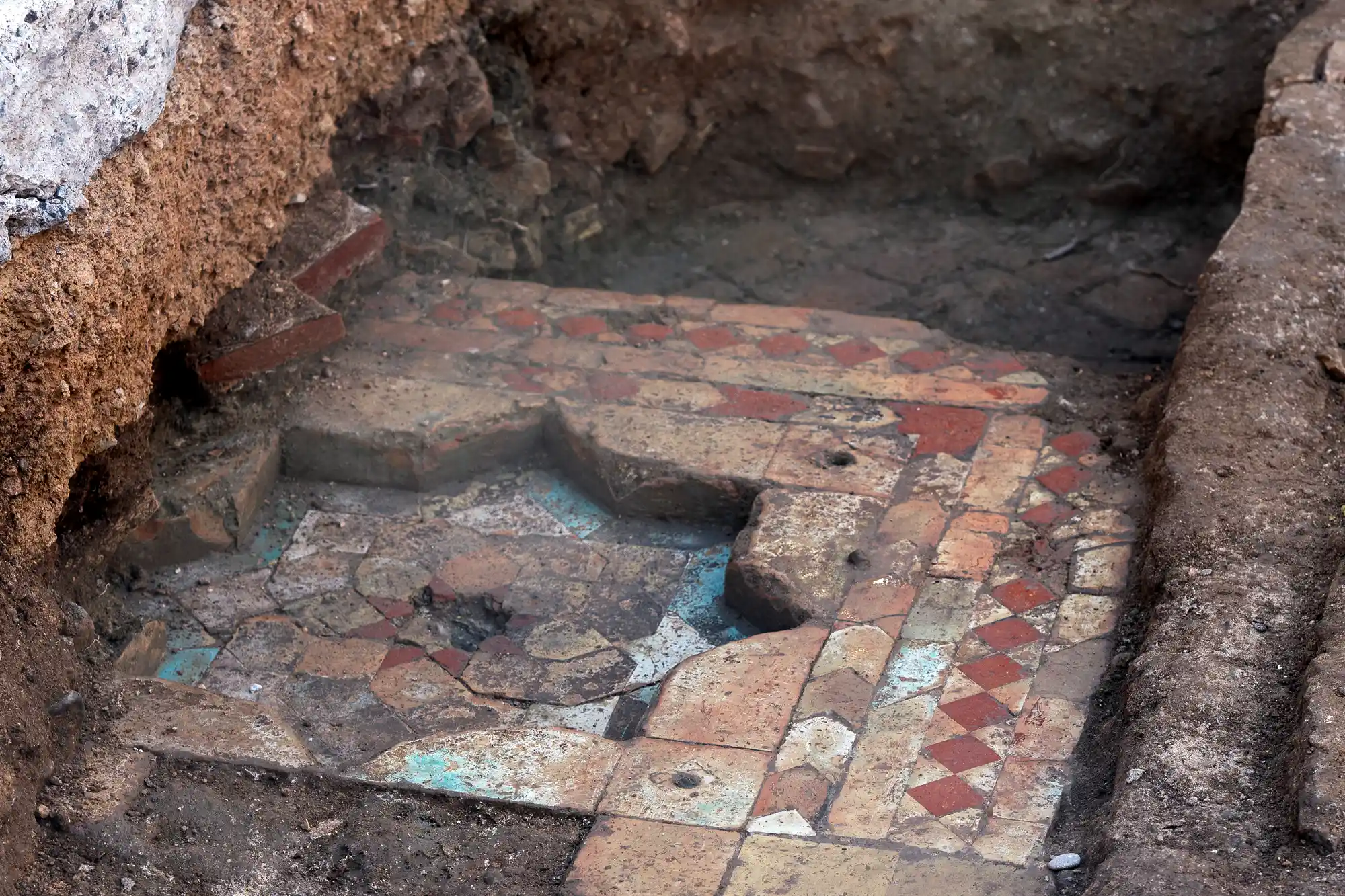

Founded in 138 BC by the Romans as the colony of Valentia Edetanorum, Valencia has been continuously inhabited for over two millennia. The streets and plazas we recognize as the current city center actually form just the top layer of centuries of development, and you don’t have to dig too deep before encountering ruins – Arabic, Roman, or even Visigoth. This might complicate new construction projects in Valencia, but it’s also a vivid reminder of the city’s rich history.
Moorish Bath House
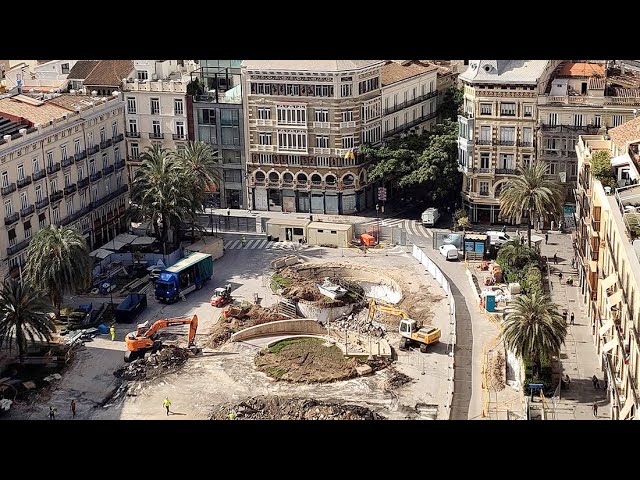
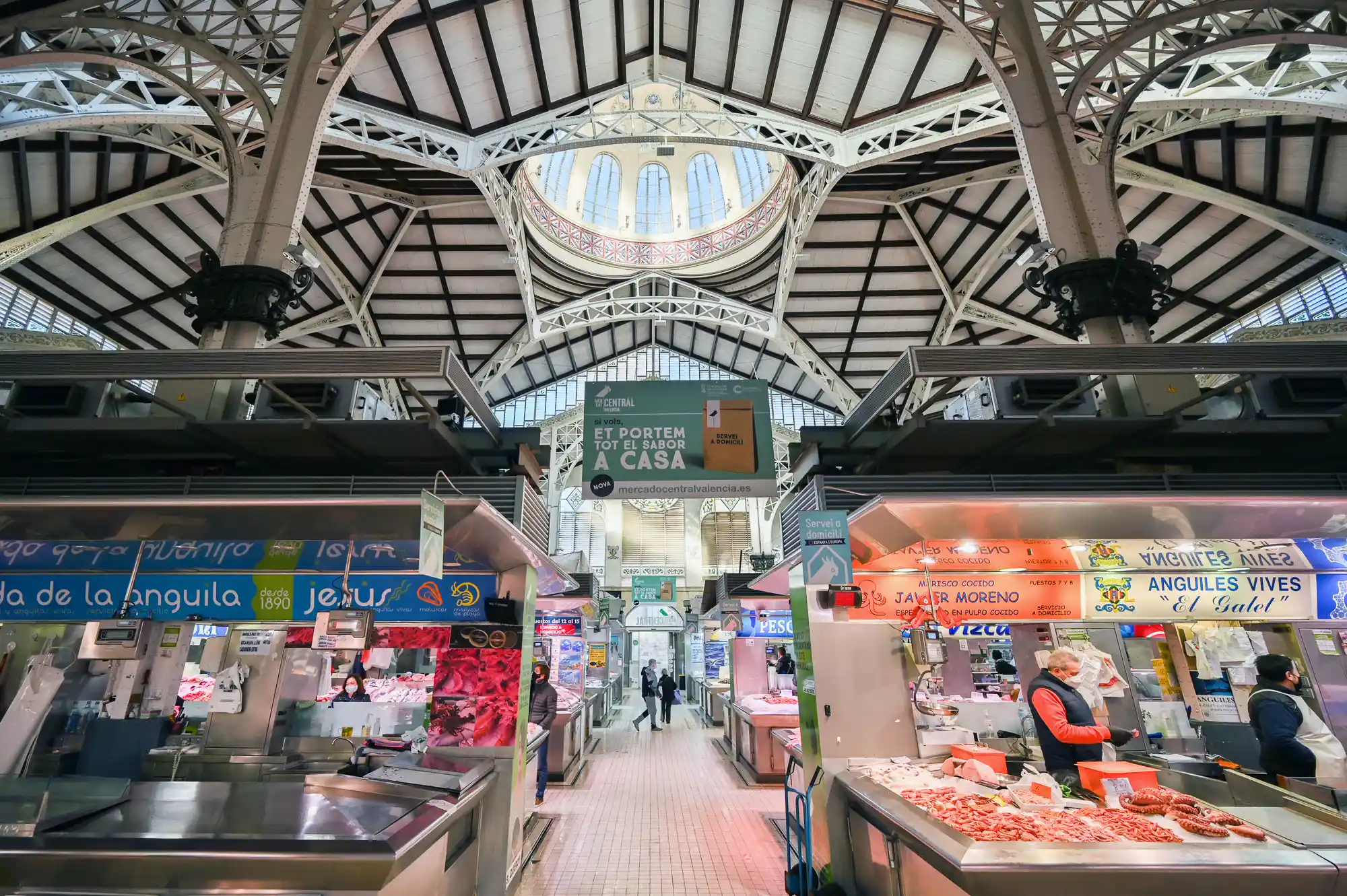
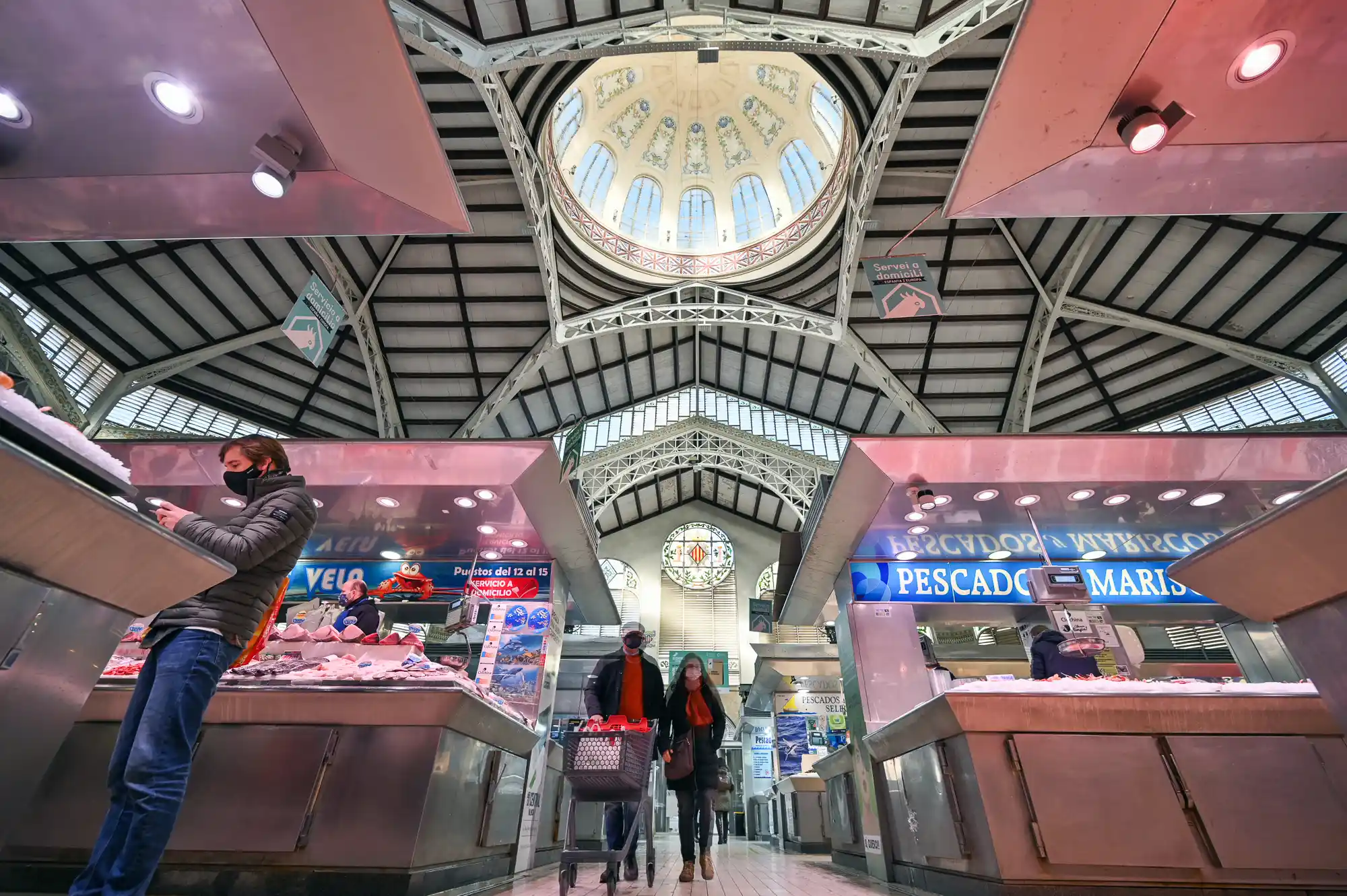
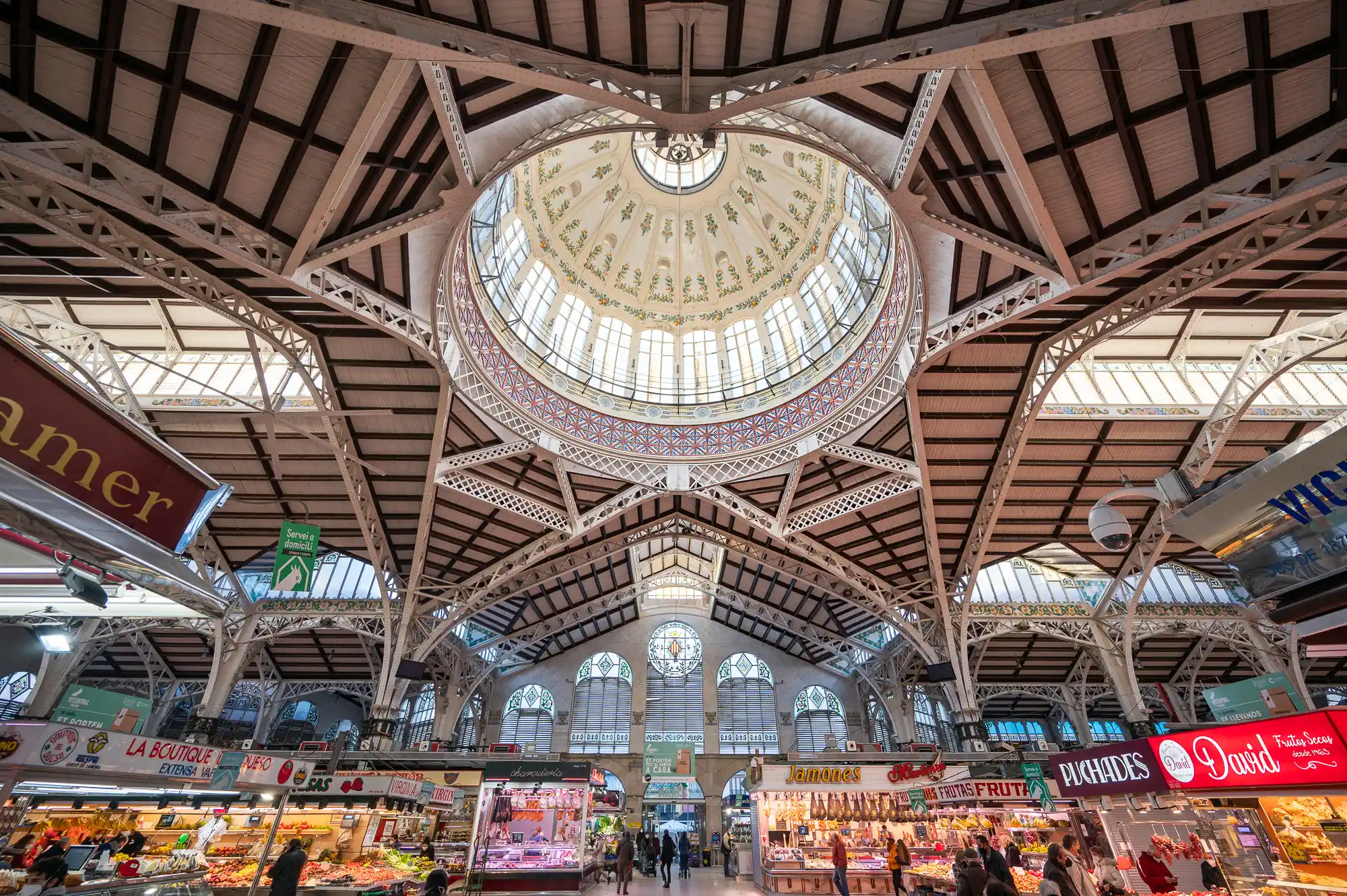
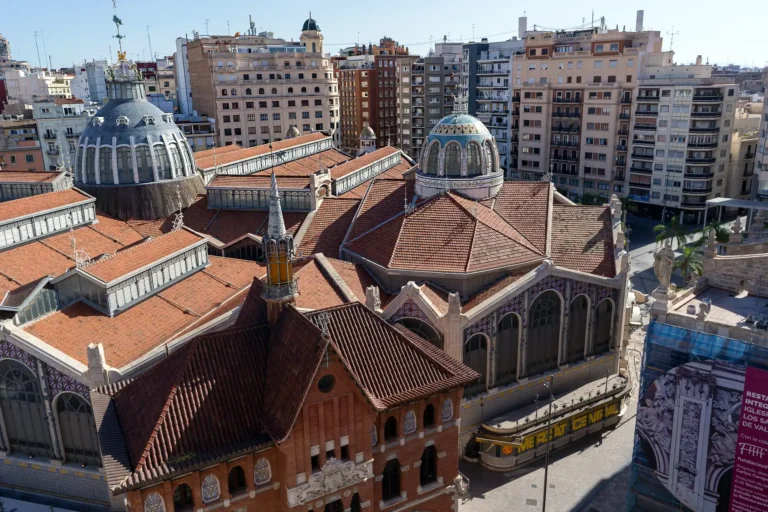
It’s a difficult balancing act to honor the city’s history, while also pushing new projects forward. Recently, Valencia green-lit massive reconstructions of the Plaza del Ayuntamiento, the Plaza de la Reina, as well as the entire area around the Mercado Central – arguably, the three most historic zones in the city. Inevitably, the crews dug up old ruins, each time putting construction on-hold until an excavation team could clear the area. The Ley de Patrimonio Histórico Español (“Spanish Law of Historic Patrimony”) requires that any significant archaeological discoveries be preserved.
Construction Video
If you’re interested in the city’s fascinating history, we recommend a visit to the L’Almoina: a subterranean museum that showcases the literal layers of Valencia’s history, while modern life continues unabated above its glass ceilings. Located right next to the city cathedral, this museum provides a fascinating insight into the various iterations of Valencia’s layout.
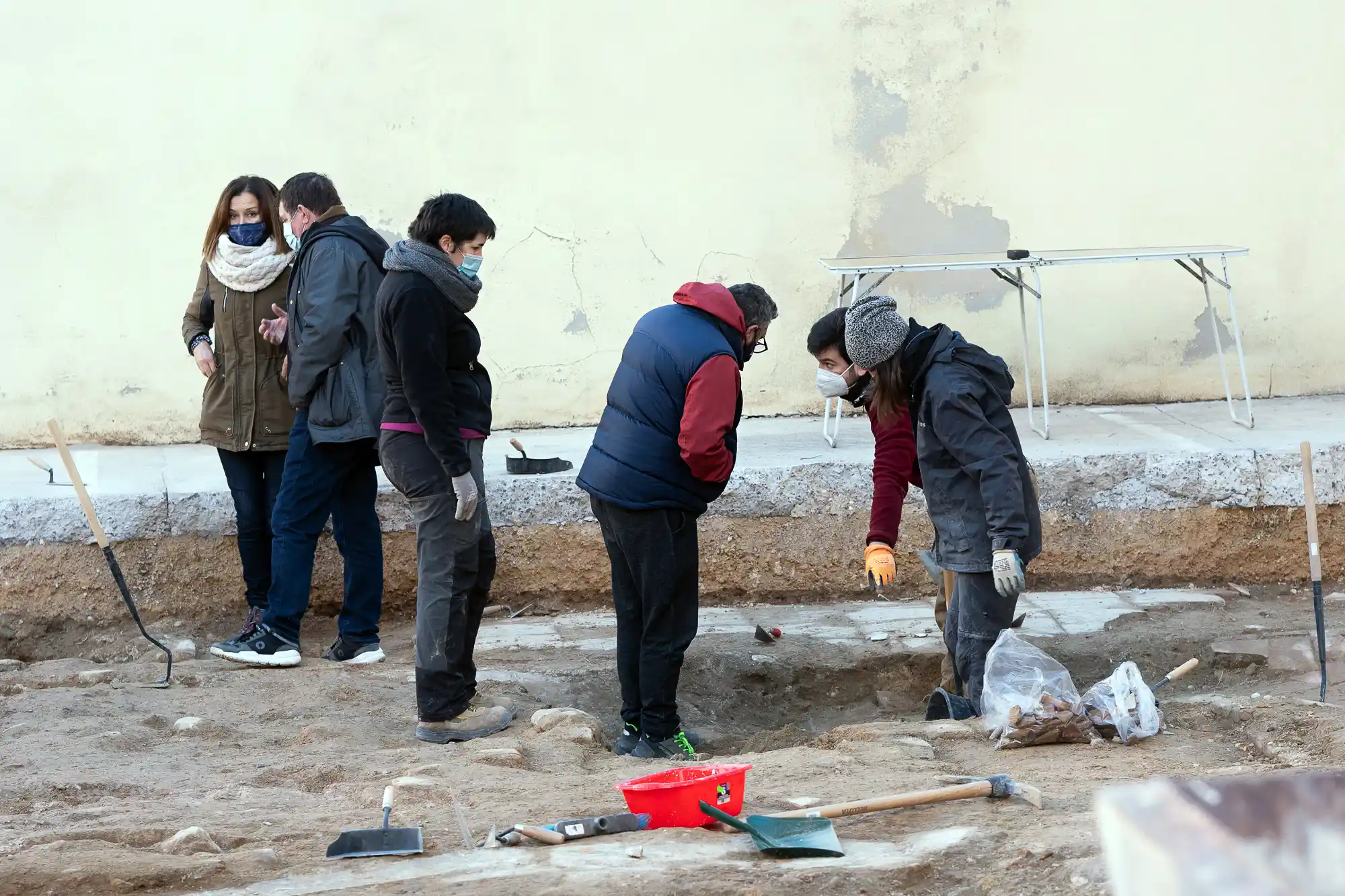
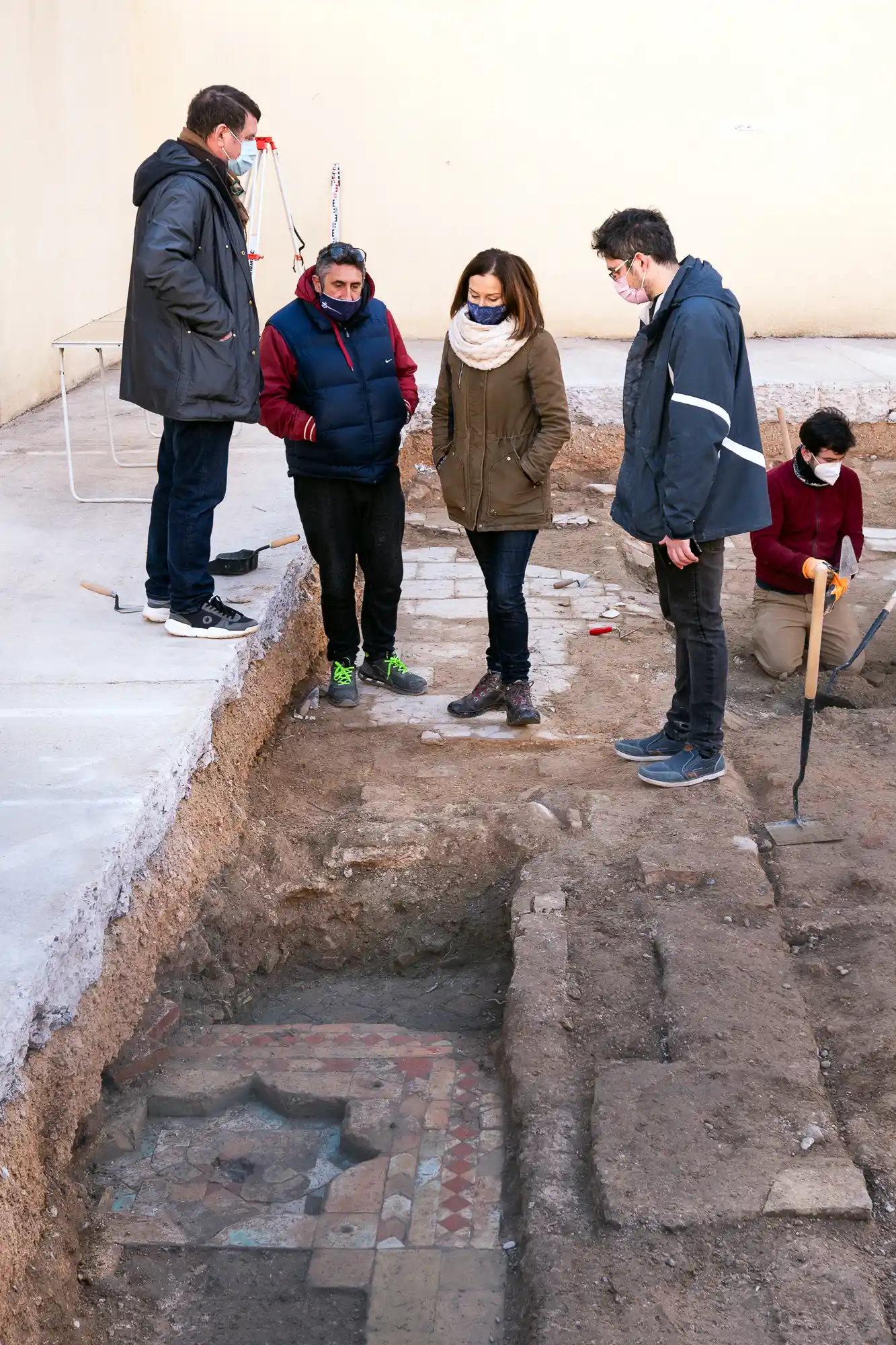
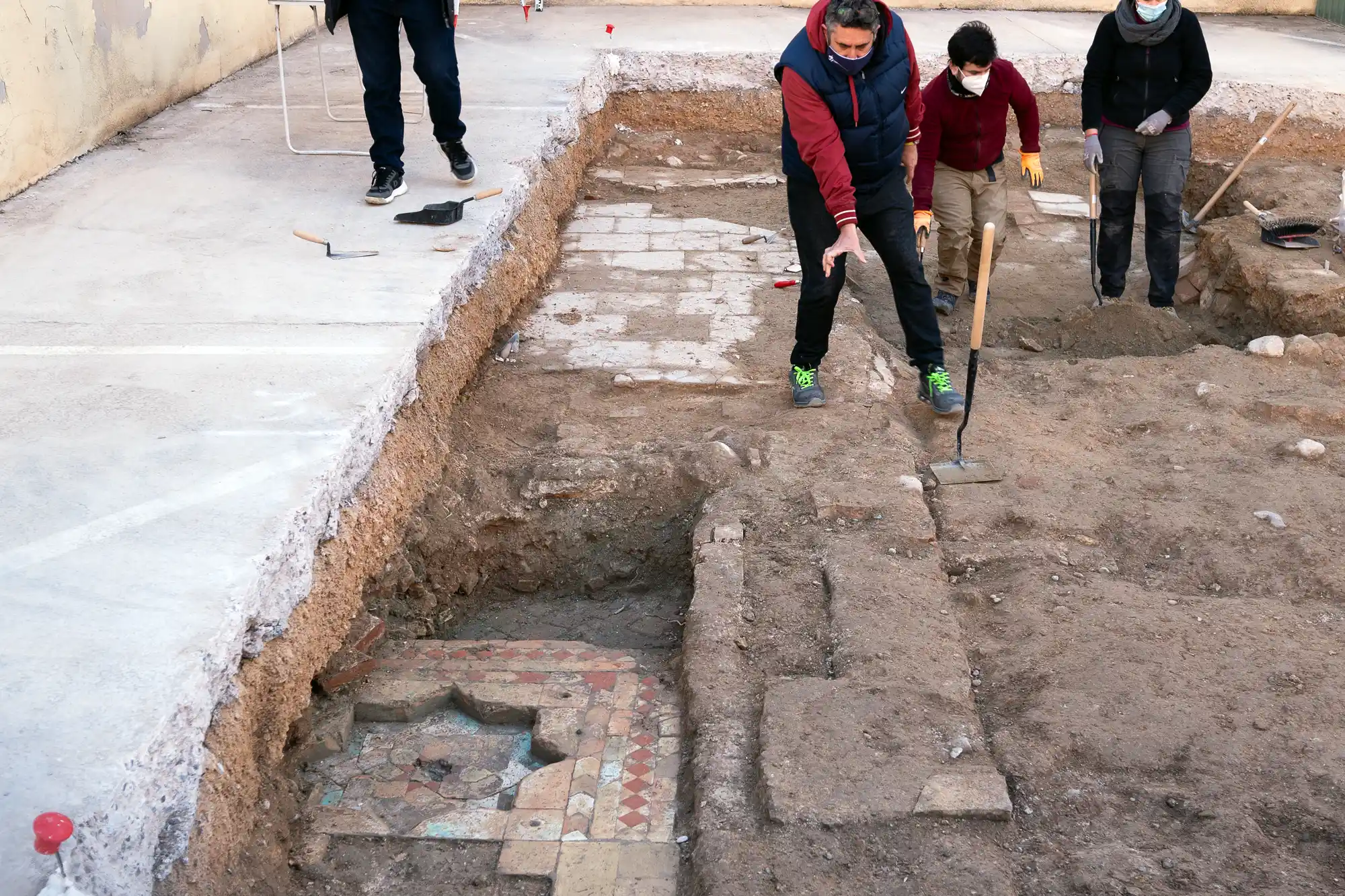
Excavation Team
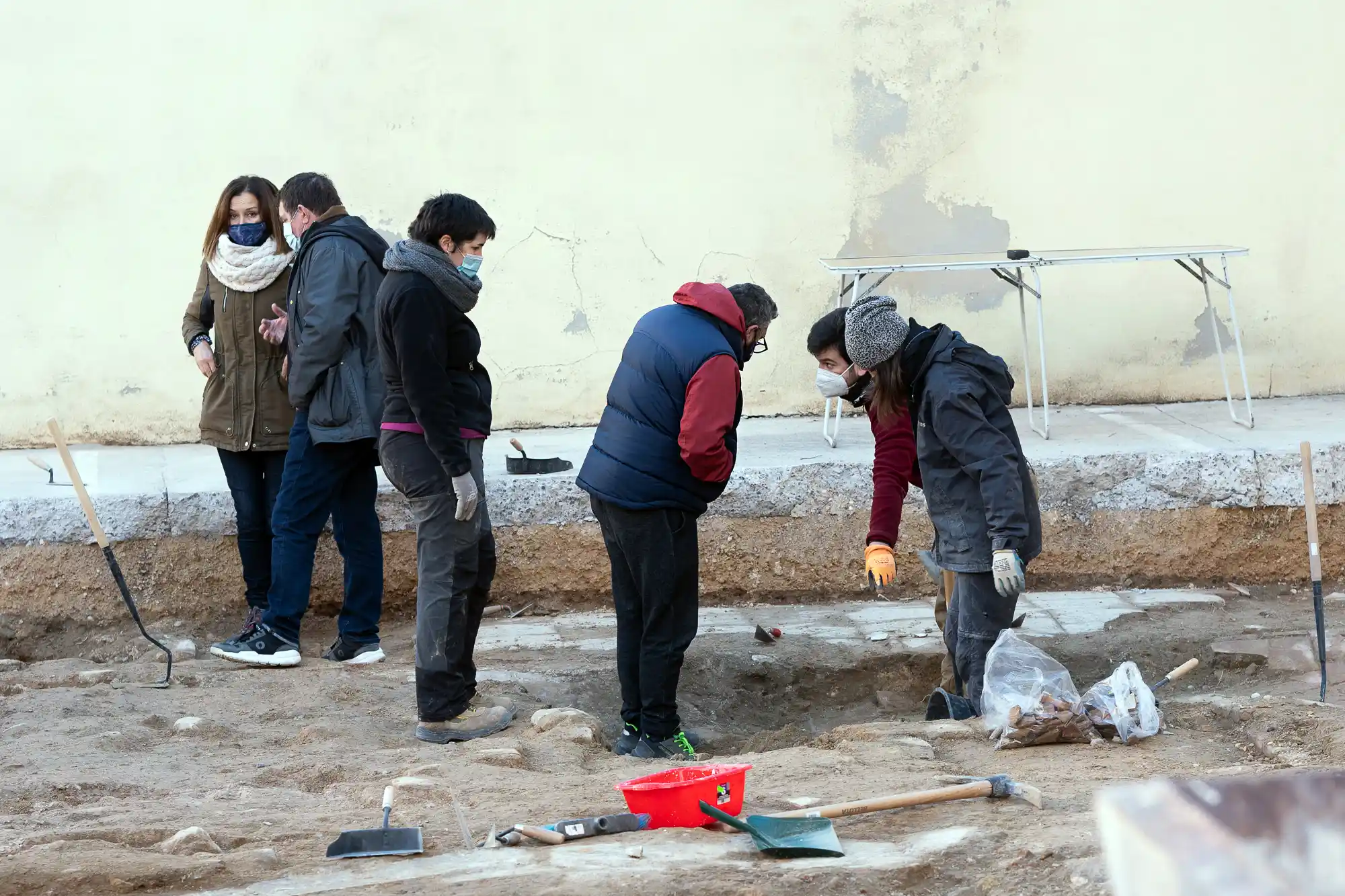
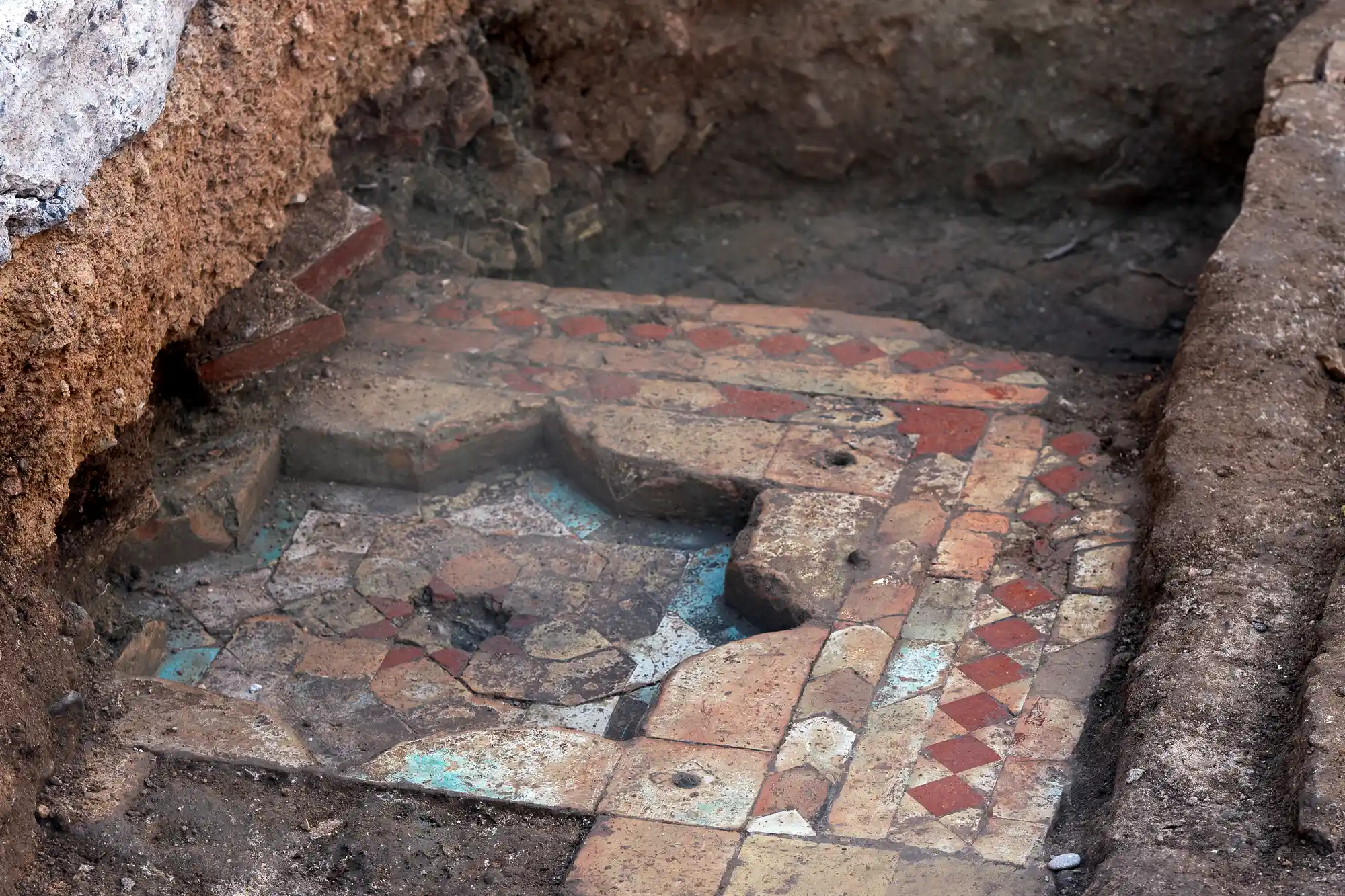
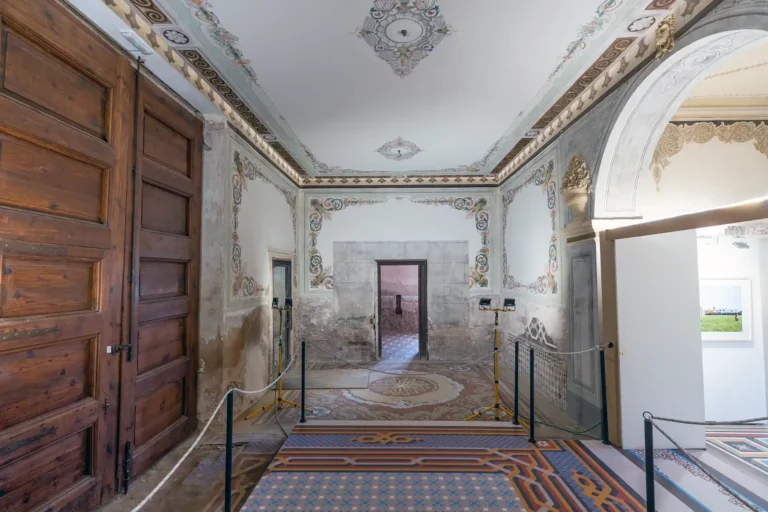
During our evening walks, we occasionally come across excavation teams evaluating new findings. Recently, we encountered a team working on a Moorish bath house right in the heart of El Carmen (opens in a new tab). We were able to get a glimpse of an old fountain decorated with ancient tiles. This random encounter made us appreciate how cool it is to live in a city that’s basically a giant open air museum.
This random encounter made us appreciate how cool it is to live in a city that’s basically a giant open air museum.
Valencia Infos
Written by Mike, Photos by Jürgen
Written in 2024. Things change on the road, so please check the details before you go.
Valencia Info
 DK Eyewitness Spain (Travel Guide)
DK Eyewitness guidebook to Spain, covering destinations and sights with illustrations.
View on Amazon
(opens in new tab)
DK Eyewitness Spain (Travel Guide)
DK Eyewitness guidebook to Spain, covering destinations and sights with illustrations.
View on Amazon
(opens in new tab)
 Travelers Notebook Journal Sketch Book, Leather A5
Leather A5 travelers notebook for journaling and sketching.
View on Amazon
(opens in new tab)
Travelers Notebook Journal Sketch Book, Leather A5
Leather A5 travelers notebook for journaling and sketching.
View on Amazon
(opens in new tab)
 Skechers Go Walk Joy Sneakers
Skechers Go Walk Joy, lightweight slip-on sneakers for walking.
View on Amazon
(opens in new tab)
Skechers Go Walk Joy Sneakers
Skechers Go Walk Joy, lightweight slip-on sneakers for walking.
View on Amazon
(opens in new tab)
 Anker Power Bank, 10,000mAh 30W USB-C Portable Charger
Anker 10,000mAh portable charger for recharging a phone several times on the go.
View on Amazon
(opens in new tab)
Anker Power Bank, 10,000mAh 30W USB-C Portable Charger
Anker 10,000mAh portable charger for recharging a phone several times on the go.
View on Amazon
(opens in new tab)
As an Amazon Associate we earn from qualifying purchases.
24 Photos
Valencia Photos
Valencia Map
Valencia FAQs
Here are the answers to some common questions.
When was Valencia founded?
Founded in 138 BC by the Romans as the colony of Valentia Edetanorum.
What law protects archaeological finds in Valencia?
The Ley de Patrimonio Histórico Español (“Spanish Law of Historic Patrimony”) requires that any significant archaeological discoveries be preserved.
What is L’Almoina in Valencia?
A subterranean museum that showcases the literal layers of Valencia’s history.
Where is the L’Almoina museum?
Located right next to the city cathedral.
Leave a Reply