
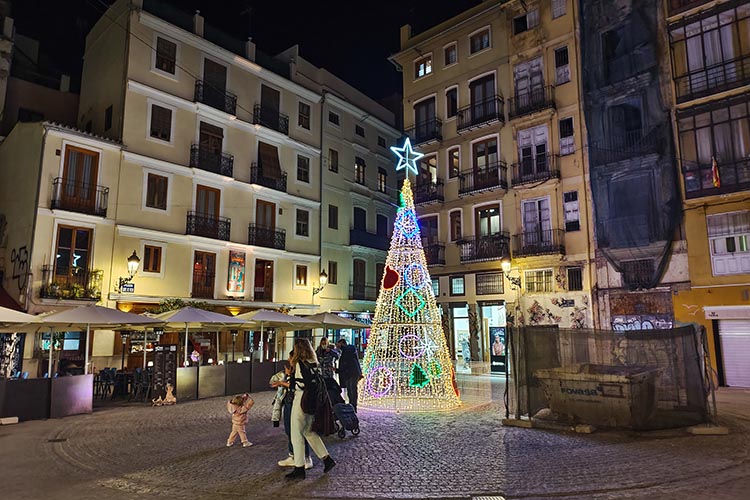
Should you spend Christmas in Valencia? Well … maybe!
For most of the year, the Spanish Mediterranean would place quite high in a ranking of “most attractive European destinations”. But for two short weeks in December, Germany suddenly leaps to the top of the list, for its Christmas markets, snow, and cozy holiday warmth. And while we wouldn’t dare suggest that Valencia has a better yuletide vibe than Rothenburg ob der Taube… it’s not without charms.
Table of Contents
For us, the main positive to Christmas in Valencia is the same thing which might keep others away. There’s no snow, there’s no Santa, and there’s no sitting around the fireplace, snuggled up in ugly sweaters, singing carols as a family. Nope, the sun is out, it’s actually pretty warm, and you’ll probably be outside enjoying life like you would even if it weren’t Christmas.
(If you haven’t realized it already, it turns out that we largely appreciate Christmas in Valencia, because it doesn’t feel like Christmas.)
Valencia Winter Video
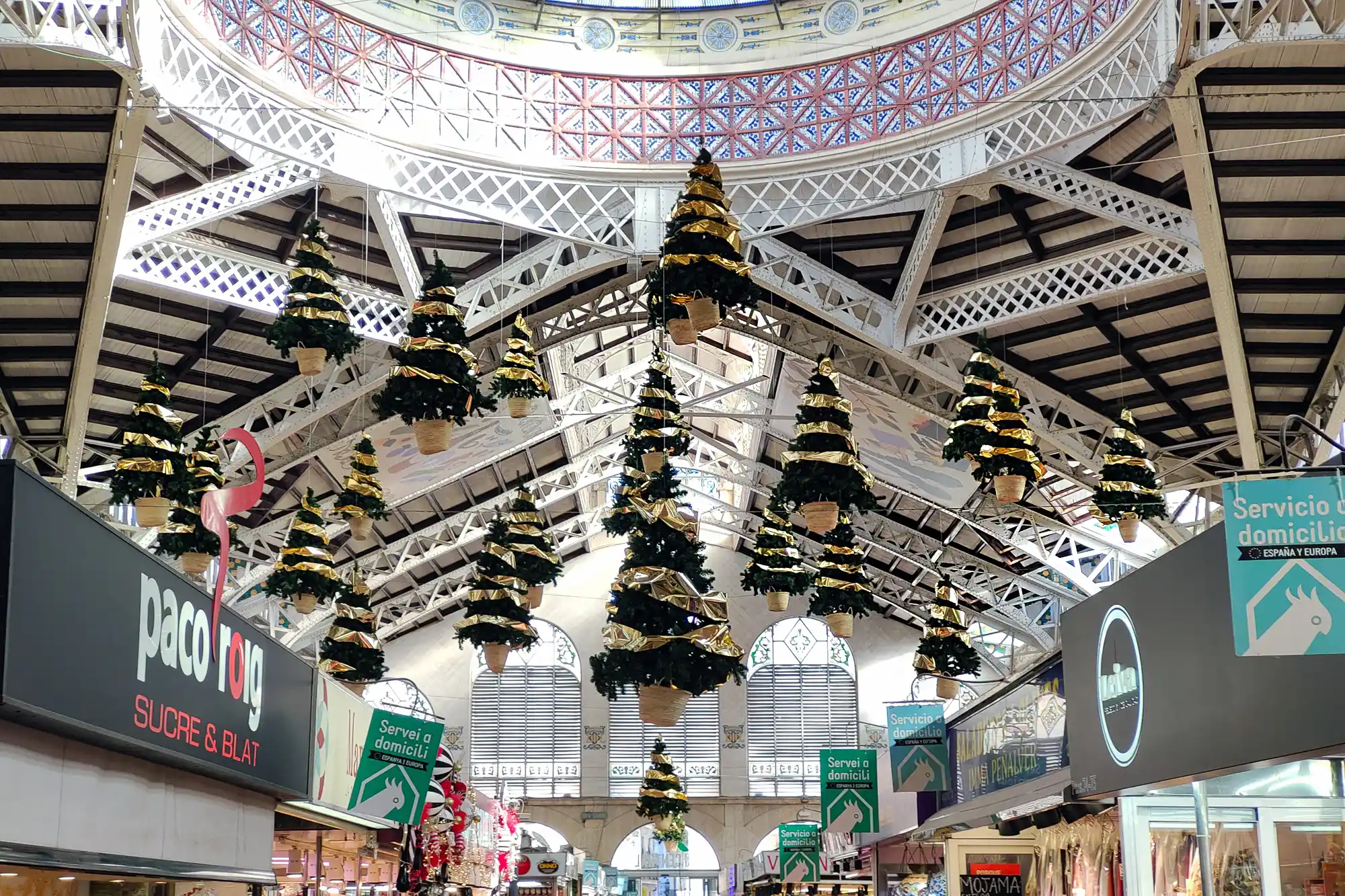
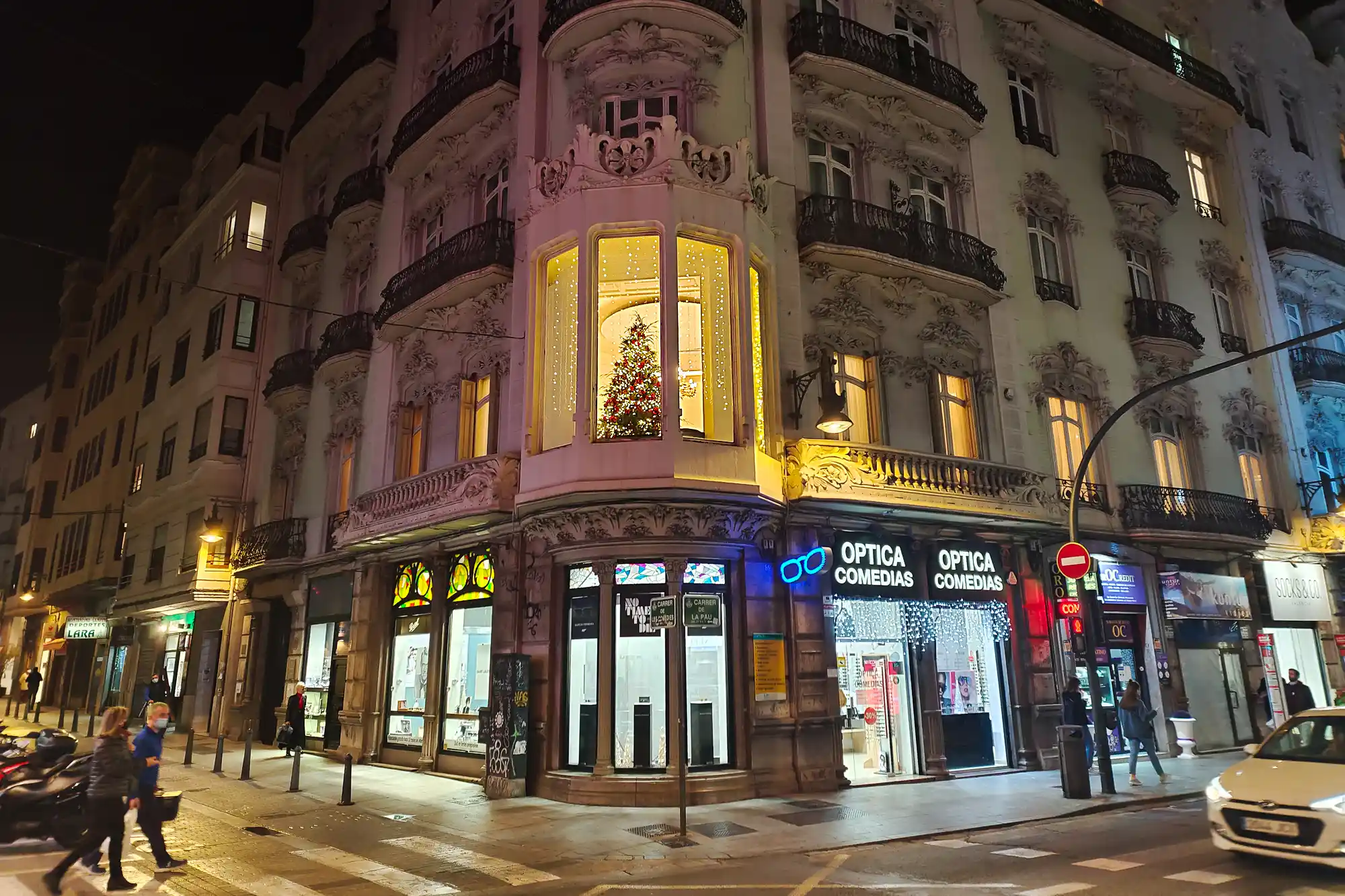
Of course, you can’t escape the “joyous season” entirely. The city is decked out in Christmas lights and decorations. Also, Spain has a weird kink for nativity scenes. In Valencia, there’s even a Ruta de los Belenes, takes you around to the best displays in the city. Because if you’re at all like us, you need to see every single nativity scene! They’re all so unique! In this one, Baby Jesus is angled slightly to the left! In the next one, I’ve heard there are TWO cows instead of THREE, but there are MULTIPLE goats, wtf!
(If you’re lucky, you might spot a figure taking a dump behind the manger, in one of these scenes. For real! This is a Catalan quirk, which has made its way to Valencia’s Beléns.)
You’re not going to find gingerbread or candy canes, but Valencia has its own holiday treats for those with a sweet tooth. Try out turrón or polvorones. Turrón is an oily, almond-based confection, which is way heavier than it first appears. And “polvorón” has been officially translated (by us) as “li’l dusty guy”. If you chomp down on one of these, you’ll end up choking on fine dust. Instead, while they’re still in their packaging, you have to crush them down to a small, firm lump. They’re also made of almonds.
If you don’t like almonds, too bad. Try another holiday sweet: marzipan. No, wait… that’s also almond-based. Uhhhh, you might just have to wait for the 6th of January, and the mighty Roscón de Reyes.
If you’re in town on December 22nd, please make sure to turn on the TV to witness the drawing of the Gordo: Spain’s big Christmas lottery. This demented spectacle consists of children singing out five-digit numbers for over four hours. Legend has it that if you manage to watch the entire thing attentively, you will be blessed with the Christmas spirit of joy for the rest of your days. But you’ll also never stop screaming.
One more tip: the days between December 24th and January 1st are extremely mellow. Store close up, families stay in, and the city falls into an almost hypnotic trance while the final days of the year silently expire. Even New Year’s Eve is strangely quiet; it’s started to change a bit in recent years, but this isn’t a holiday which Valencians traditionally celebrate with wild celebrations. Instead, the typical thing is to sit inside a restaurant with your good friends, and eat grapes — one for every strike of the bell, until the new year begins.
Valencia Info
This site contains affiliate links. We may receive a commission if you make a purchase. More Information!
Valencia Christmas Photos
Most images and videos can be licensed for commercial and editorial use, please contact us to find out more.
Valencia Map
Valencia FAQs
Why do Valencians eat lunch so late?
Because the traditional workday used to run from early morning to late evening, with a long siesta in between. Even today, many locals eat lunch around 2–3 p.m. and dinner after 9 p.m.
Is Valencian a different language from Spanish?
Valencian is a variety of Catalan with its own official status in the region. Locals are proud of it, and you’ll see bilingual signs everywhere. Most people speak Spanish fluently as well.
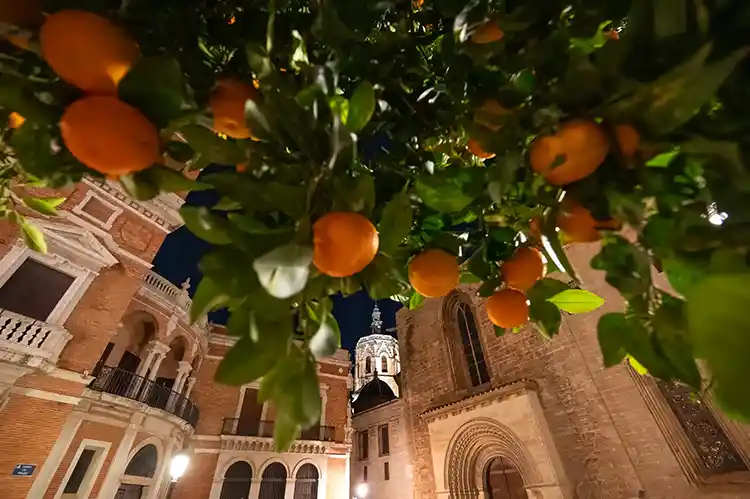
Why are there so many orange trees in the city?
Valencia’s oranges are world-famous, and the trees are a symbol of prosperity. The ones in the streets, though, are mostly decorative and too bitter to eat.
Related Articles
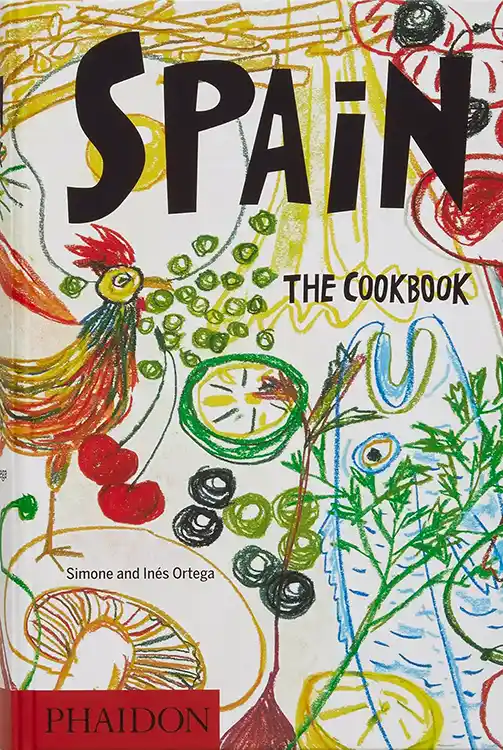
Spain Cookbook
The Cookbook by Simone and Inés Ortega is a definitive guide to traditional Spanish home cooking, featuring over 1,000 classic recipes from every region. With clear instructions, menu ideas, and tips, it’s perfect for beginners and experienced cooks alike. Beautifully illustrated and thoughtfully organized, this book brings the rich flavors of Spain to your kitchen in a practical, inspiring way.


Leave a Reply