
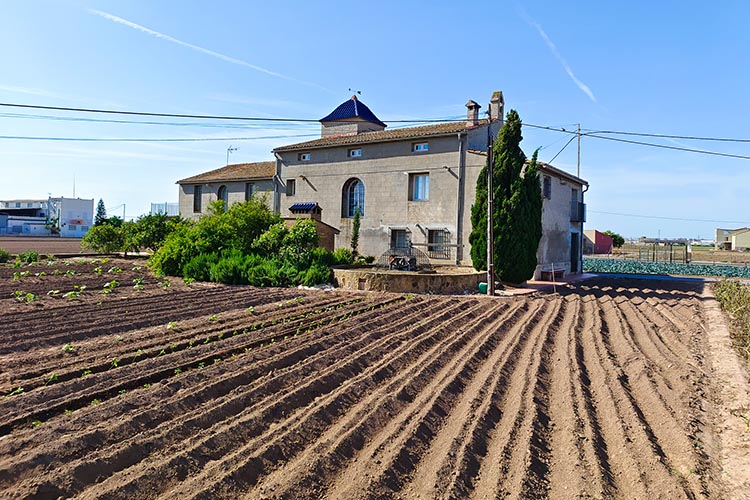
Valencia might be trying her best to present herself as a cosmopolitan city girl, but just take a look at those dirt-encrusted fingernails and that sturdy frame: this girl is a farmer. The city is surrounded by farmland, to the north, south, and the west. And in the case of the Huerta Norte, the shift from “city” to “fields” happens suddenly, and much more quickly than you’d expect. You don’t have to journey far to experience the hard-working, farm girl side of Valencia.
Table of Contents
Exploring the the fields of the Huerta Norte is probably best done by bike, but for today’s tour we decided to walk, starting from the Alboraya metro station. You can see more of the area on a bike, but walking gets you closer to the earth and allows you to better appreciate the amazing variety of produce grown here.
We left Alboraya towards the north, crossing the Barranco del Carraixet and aiming for the Alqueria El Magistre. This former farmstead today hosts the Museu de l’Orxata i la Xufa, which is supposed to be great … although we wouldn’t know, because it was unfortunately closed today. We then looped back south, heading for the Ermita del Miracle dels Peixets. This is a cute little church just a stone’s throw from the beach.
Video Huerta Norte
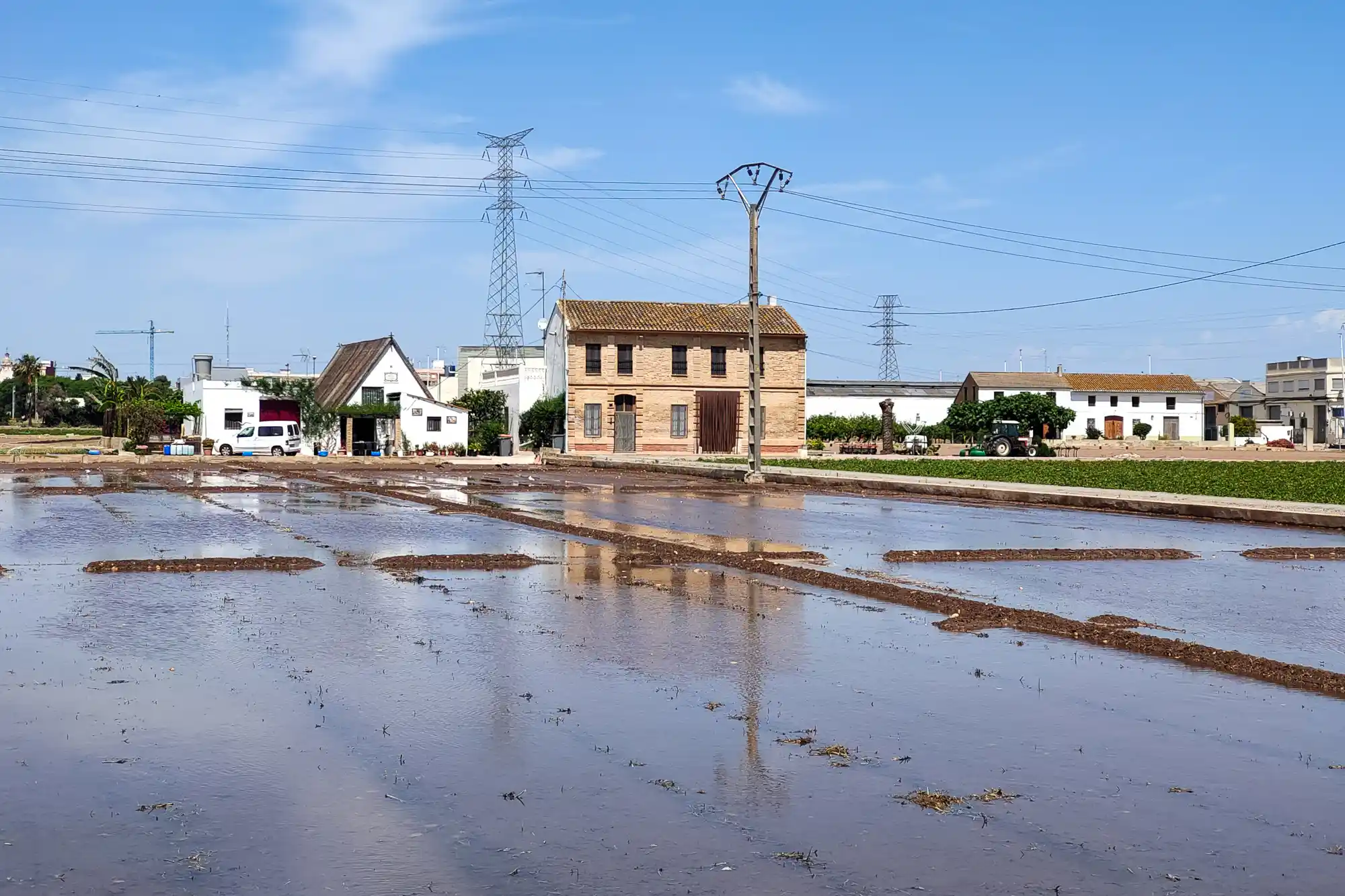
The fields around Valencia have been cultivated for over a thousand years and are one of Europe’s oldest continuously cultivated agricultural landscapes. Between the 8th and 13th centuries, during the region’s long period under Moorish rule, advanced irrigation canals were introduced which are still in use today. This makes up part of the community-based watering system regulated by the Tribunal de las Aguas every Thursday at Valencia’s Plaza de la Virgen.
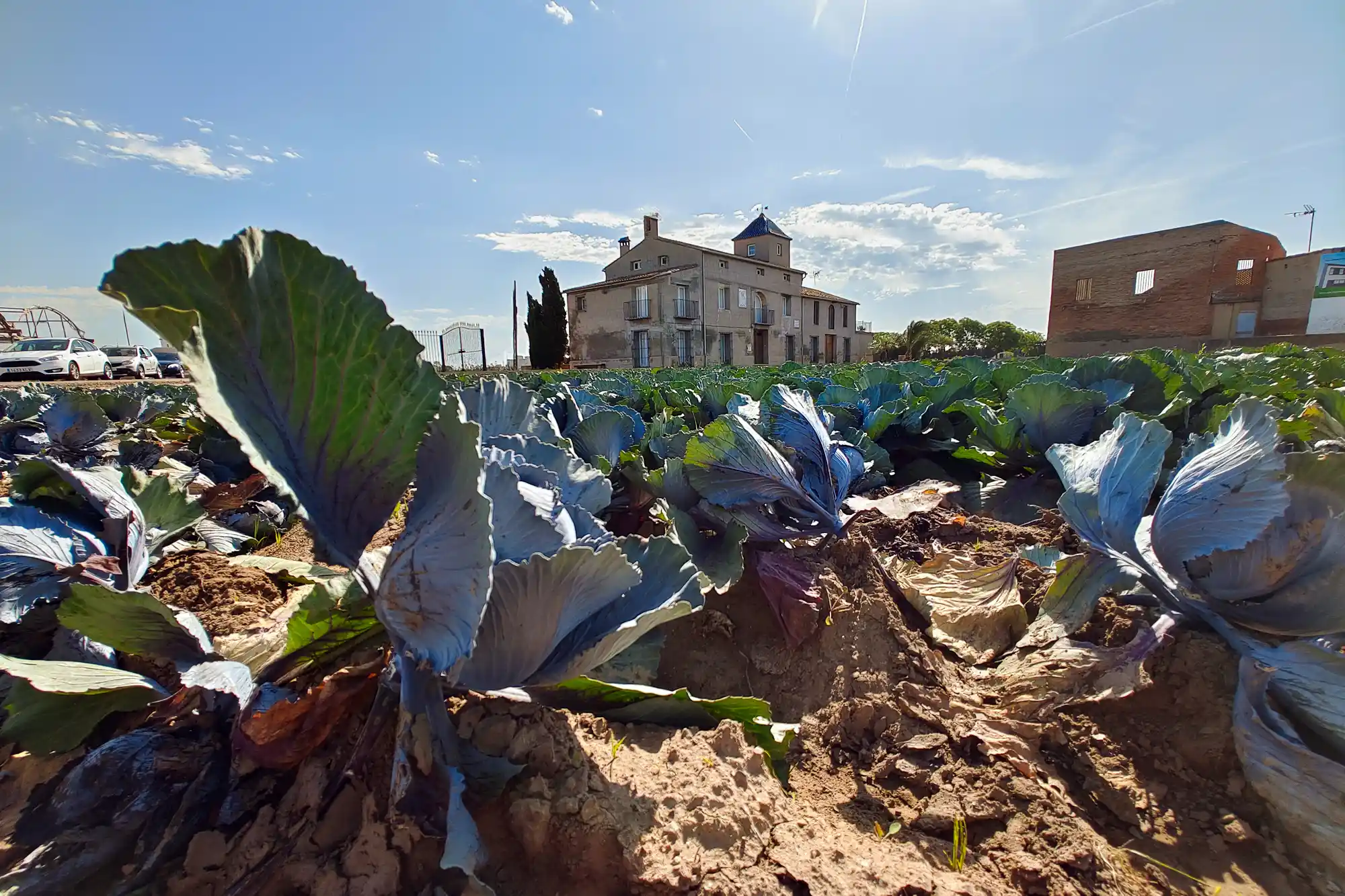
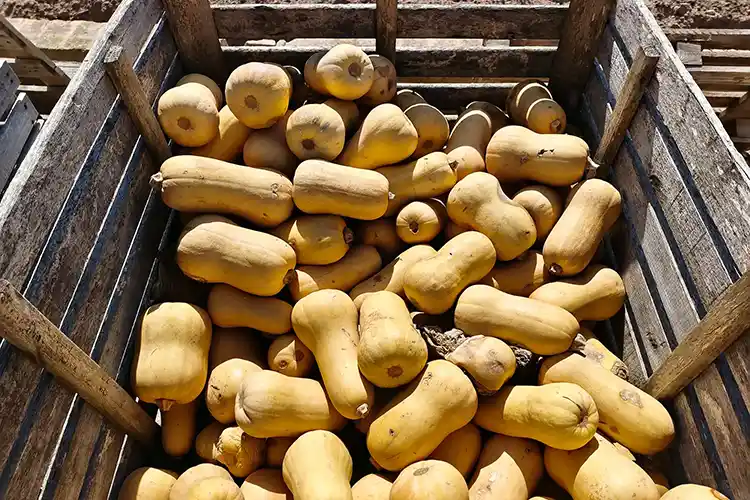
In the north, they don’t grow any rice like they do just south of Valencia, but seemingly everything else. You’ll see artichokes, cabbage, squash, watermelons, potatoes, celery, lettuce, and of course the tigernut (xufa/chufa) which is used to make the famous Valencian drink called horchata.
We wondered how much of the produce we saw during our hike would eventually end up at the Mercado Central. Probably a lot of it! This walk was absolutely fantastic though there weren’t any big or exciting sights. Sometimes, it’s just nice to be out in the fields, getting some sun, and getting a reminder of where our food actually comes from.
Huerta Norte Info
This site contains affiliate links. We may receive a commission if you make a purchase. More Information!
La Huerta Norte Photos
Most images and videos can be licensed for commercial and editorial use, please contact us to find out more.
La Huerta Norte Map
Huerta Norte FAQs
What kinds of crops are typical in Huerta Norte?
While specific crops vary, the broader huerta is known for vegetables and traditional products like tiger nuts (chufa) used to make horchata, as well as tomatoes, onions, artichokes, and citrus.
Is Huerta Norte protected or under threat?
The huerta has long faced pressure from urban expansion and infrastructure development, which has reduced its size over decades. Recent regional policy changes have sparked debate over protection measures and potential construction on some agricultural land, raising concerns among heritage and environmental groups.
Can you visit Huerta Norte? What’s there to see?
Yes. Cycling and walking paths connect the fields and rural villages north of the city, offering a peaceful contrast to the urban core. You’ll see green fields, irrigation channels, traditional buildings, and local farm-to-table eating spots within the countryside.
Related Articles
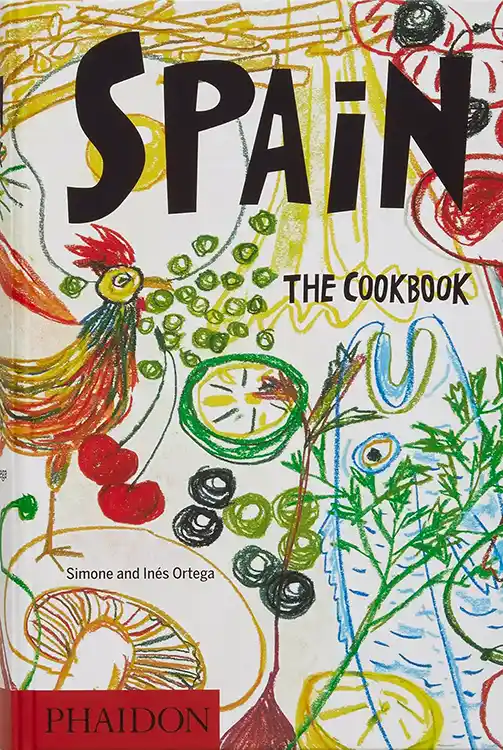
Spain Cookbook
The Cookbook by Simone and Inés Ortega is a definitive guide to traditional Spanish home cooking, featuring over 1,000 classic recipes from every region. With clear instructions, menu ideas, and tips, it’s perfect for beginners and experienced cooks alike. Beautifully illustrated and thoughtfully organized, this book brings the rich flavors of Spain to your kitchen in a practical, inspiring way.

Leave a Reply