
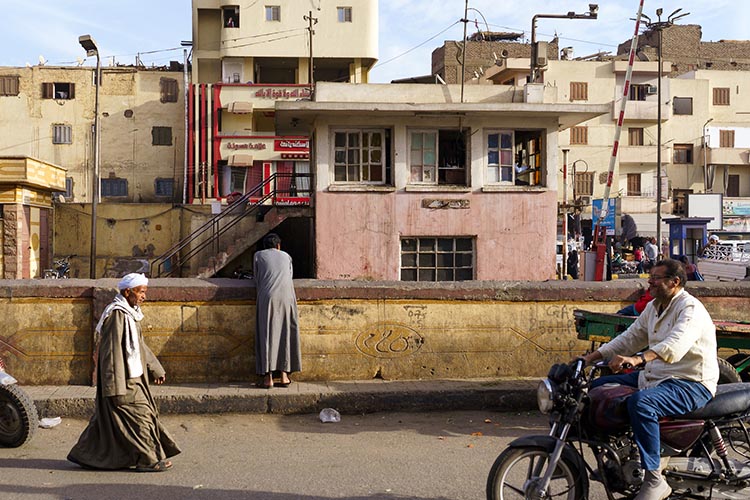
By noon, it had already been a busy day. We’d had an easy flight from Athens to Luxor, checked into the Winter Palace, explored the grounds of the hotel, and even had time to take a quick little nap. But now, our bellies were starting to rumble. So we left the luxury of the hotel, and set out to gather some first impressions of the East Bank of Luxor… and some food.
We had picked the right time of year for our visit. At the end of January, the weather was perfect — warm and dry — a nice change to the damp, chilly winter we had left behind in Athens. As we set out into the streets behind the hotel, our initial impression of Luxor was that this is a vibrantly alive city. Hustle and bustle, people packing every corner, heavy traffic, and an extreme amount of noise.
Luxor Video
The Nile slices Luxor cleanly in two, with the East Bank being the more touristy area. It’s home to Luxor Temple, Karnak, as well as the biggest hotels and the main museums, and is what people generally think of as “Luxor City”. The West Bank, though, has plenty of its own attractions, with the Valley of the Kings and Medinet Habu, as well as a more chilled residential vibe. We’d be staying on western side of the city on the second half of our trip, but for now, it was all about the east.
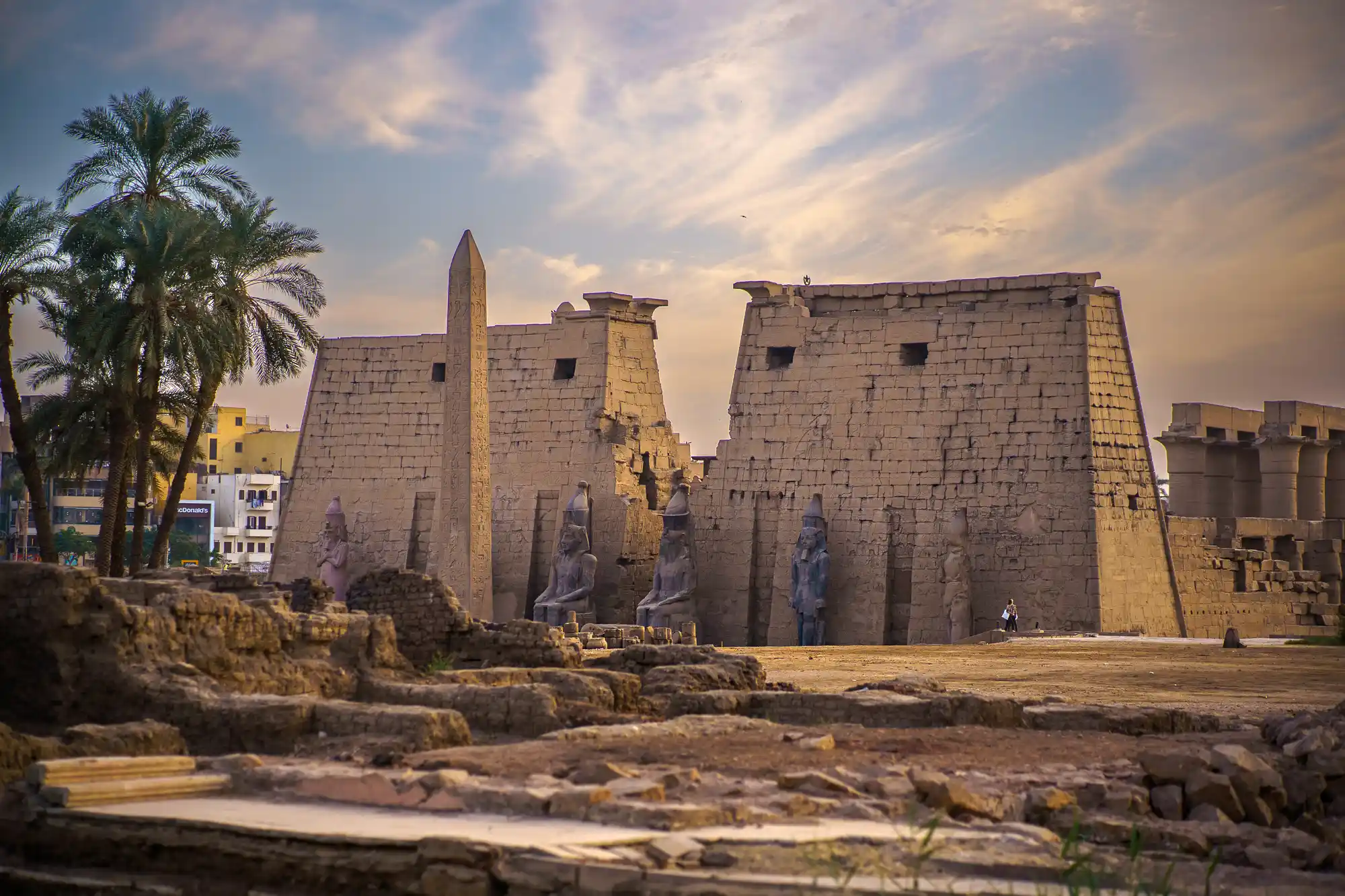
And for right now, it was all about food. It was well past lunch time when we set out to explore, and we were starving. To get into the city, we had to walk straight past the Luxor Temple, and tried our hardest not to look at it — we’d be dedicating tomorrow morning to the complex, and didn’t want to anything to be spoiled. But good luck not gawking if you’re anywhere near this temple! We surrendered immediately, and spent a long time admiring the colossal entrance gate. Our bellies could wait a little longer!

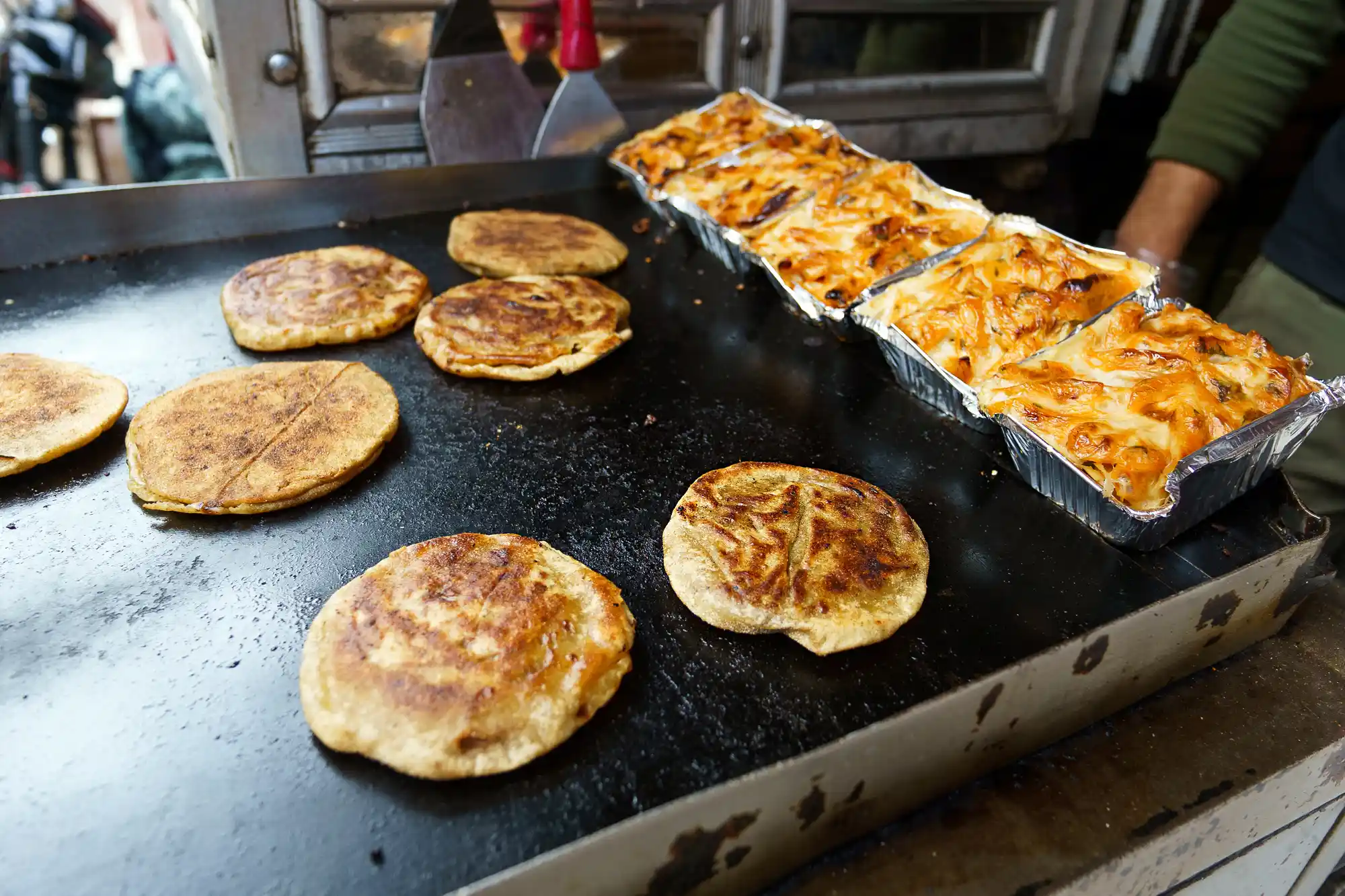
We didn’t have a restaurant in mind, so just headed towards the railway station, hoping to find some street food. The first stand we came across was a kid making strings of Kataifi (Konafa كنافة) pastries, which are essential for sweets like Künefe and Dubai Chocolate. Close by, we found a tiny local food joint, and finally had our first meal in Luxor: Hawawshi (flat bread filled with spicy minced meat). We also ordered a serving of macaroni bechamel, fresh from the oven. Both are popular comfort foods in Egypt.
This gave us the strength to dive into Luxor’s market area, called El Souk. The market’s focus is selling souvenirs to tourists, and we didn’t spend a lot of time here … just enough to get a sense for what was on offer (soccer jerseys, cheap busts of Nefertiti, scarabs, etc).
Usually, when you leave a touristy market area, you can breathe a sigh of relief, having finally gotten away from the touts and sellers. But in Luxor, that moment of release never comes, because the touts are just as pushy outside the market as in. Every five meters, you’ll have another horse carriage driver clamoring for your business (“Egyptian Ferrari, my friend! One horsepower!” — mildly amusing the first time you hear it, less so the 500th).
After the market, we looped back to the Nile to take a sunset stroll along the promenade, doing our best to politely ignore the touts who were CERTAIN we wanted to take a boat ride. We enjoyed the river breeze and watched feluccas sail past, framed against the water by the shimmering reflection of the setting sun.
But man, it looks peaceful out there on the boats… and this guy who’s been following us for the past ten minutes, offering us lower and lower boat ride prices, seems acutely aware that we’re starting to debate it. Okay fine, buddy, you win! So our walk ended with an unexpected sunset ride aboard this guy’s felucca — stay tuned for that in our next post, and subscribe to our newsletter so you’re sure not to miss it!
Luxor Info
This site contains affiliate links. We may receive a commission if you make a purchase. More Information!
Luxor Impressions
Most images and videos can be licensed for commercial and editorial use, please contact us to find out more.
Luxor Map
Luxor FAQs
What is Luxor known for?
Luxor is often called the world’s greatest open-air museum. It sits on the site of ancient Thebes and is packed with temples, tombs, and monuments. Highlights include the Karnak Temple, Luxor Temple, and the Valley of the Kings.
When is the best time to visit Luxor?
The best time is from October to April, when temperatures are more manageable. Summers can be extremely hot, often exceeding 40°C (104°F), making sightseeing tough.
Is it worth visiting Luxor Temple at night?
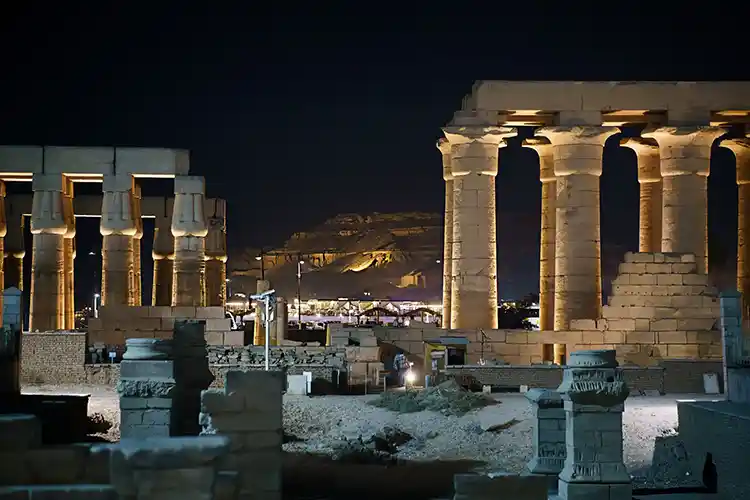
Absolutely. Luxor Temple is beautifully lit after sunset, and the atmosphere is completely different – quieter, cooler, and far more atmospheric than during the day.
Egypt Travel Guide
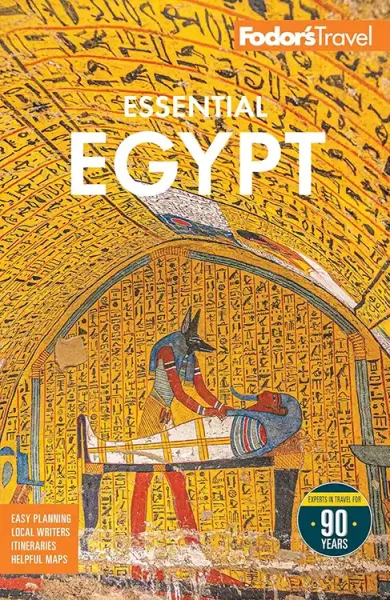
Fodor’s Essential Egypt is your all-in-one companion for exploring Egypt with confidence—packed with expert local tips, detailed maps, smart itineraries, and stunning visuals to help you experience everything from the Pyramids to the Nile without the stress of planning.

Leave a Reply